White noise is neither harmful nor universally helpful. If it masks disruptive sounds (traffic, roommates) and you find it soothing, it can support sleep. If it's irritating, skip it.
Sleep Environment
Design Your Optimal Sleep Space
Your bedroom environment sends signals to your brain about whether it's time to rest. This guide explores the key environmental factors that support sleep readiness.
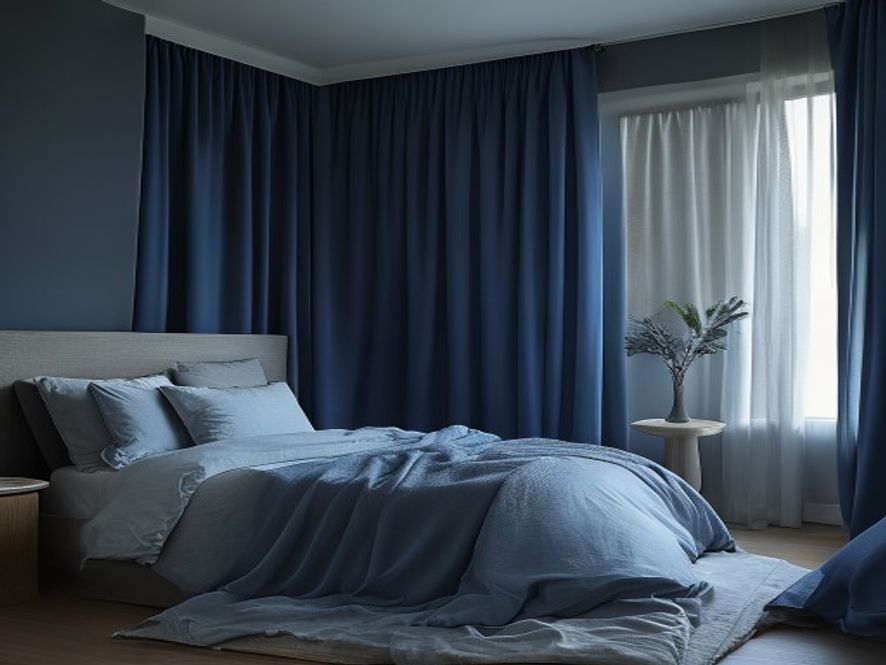
Environmental Factors That Matter
Your bedroom isn't just where you sleep—it's a signal system. By adjusting key environmental variables, you create conditions that tell your body it's time to rest.
- Temperature: Cool (60–67°F) generally supports sleep onset and maintenance.
- Light: Darkness supports melatonin production. Even small light sources interfere.
- Sound: Quiet supports sleep. Consistent low-level sound (white noise) can mask disruptive noise.
- Humidity: Moderate humidity (30–50%) feels comfortable; extreme dryness or dampness disturbs.
- Air quality: Fresh, oxygen-rich air supports restful sleep. Ensure adequate ventilation.
Checklist: Creating Your Sleep Space
Use this checklist to audit and optimize your bedroom environment.
Light Control
- Blackout curtains or shades block external light
- Bedside lamp dimmable or low-wattage
- Electronics (phone, TV) removed or covered
- Night light is red/amber rather than blue
- Clock display faces away from bed
Temperature & Air
- Room temperature set between 60–67°F
- Thermostat programmable for nighttime
- Window cracked slightly for fresh air
- Fan or ventilation supports air circulation
- Humidity monitored (ideally 30–50%)
Sound & Comfort
- Bedroom door closes to block hallway noise
- White noise machine or app masks disruptions
- Bedding is comfortable and temperature-appropriate
- Pillows support neutral neck alignment
- Mattress is firm/soft per personal preference
Decluttering & Associations
- Workspace items removed from bedroom
- Exercise equipment stored elsewhere
- Bedroom primarily used for sleep and intimacy
- Clutter minimized to reduce visual stimulation
- Plants, soft textures add calm aesthetic
Environmental Challenges & Solutions
Too Much Morning Light
Challenge: Morning sun wakes you early or too brightly.
Solutions: Install blackout curtains or cellular shades. Use eye mask for additional darkness. If you prefer natural wake-up, gradually introduce light 30 minutes before desired wake time.
Room Too Warm or Cold
Challenge: Temperature extremes prevent sleep onset or maintenance.
Solutions: Invest in programmable thermostat. Use layered bedding you can adjust. In summer, cool room before bed. In winter, ensure heating is gentle, not sudden.
External Noise
Challenge: Traffic, neighbors, or household noise disrupts sleep.
Solutions: Use white noise machine, fan, or app. Try earplugs (soft foam or custom-molded). Weatherstrip door gaps. Thicker curtains and rugs absorb sound.
Screen Use in Bed
Challenge: Watching TV or scrolling in bed creates alertness association.
Solutions: Reserve bed for sleep only. Move screens to another room. If you must have a device, use blue-light filter or remove 30 minutes before bed.
Humidity Extremes
Challenge: Too dry (winter heating) or too damp (bathroom steam) affects comfort.
Solutions: Use humidifier in dry months. Run bathroom fan after showers. Monitor with inexpensive humidity gauge (target 30–50%).
Bedroom Doubles as Office
Challenge: Working in bed trains your brain that bedroom = wakefulness.
Solutions: Establish separate workspace if possible. If not, designate a "sleep corner" far from desk. Use visual dividers (curtain, screen).
Frequently Asked Questions
Darkness during sleep supports melatonin production. During waking hours, natural light supports mood and circadian rhythm. Blackout curtains that you can open during the day are ideal.
Most research points to 60–67°F as supportive for sleep onset. Personal preference varies; find your comfortable range through experimentation.
Yes. Use tools like blackout eye masks, earplugs, and personal white noise devices. Prioritize what you can control: your bedding, pillow comfort, and personal routine.
Plants add oxygen and visual calm but require minimal light and water. If they make your space feel peaceful, great. If they're another thing to worry about, skip them.
Get Help Designing Your Sleep Space
Work with our consultants to identify and implement environmental changes tailored to your home.
Start Your Consultation